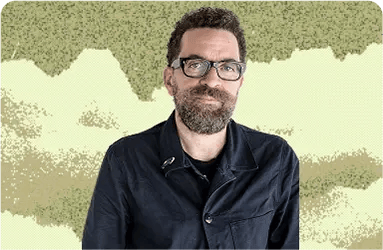
In Super Agers: An Evidence-Based Approach to Longevity, Eric Topol, M.D. guides his readers through the medical breakthroughs that offer a new path to healthy aging.
John Dalton, VP of Research at FCAT, had a chance to catch up with Dr. Topol and learn more.
1. Dr. Topol, there are so many books out there about healthy aging, diet, exercise, and so on. Why did you write this book now?
I thought it was time to pull all the real evidence together. There are thousands of books out there, and some of the best sellers have included some errors. So, I wanted to write a book that’s grounded in evidence and also delineates a path so that all of us can avoid the big three age-related diseases: cancer, neurodegenerative disorders, and cardiovascular disease.
2. How do you define a “super ager”?
When you find someone who’s 85 years of age or older, who’s never had cancer, heart disease or even mild cognitive impairment, that would get you into the right zone. It took us over seven years to find 1,400 of them in the United States, they’re so rare. These are people who aren’t on medications and don’t have chronic disease, so they’re the purest super agers. We find that there’s very little in the DNA to account for this kind of healthy aging, and it’s not luck.
The biggest factor is the immune system, how intact it is as we age, and inflammation. A bit of this is genetic, of course, but a lot of it is lifestyle. Super aging is not heritable, so it’s not just a family pattern. Personally, I find that liberating as I have a terrible family history; I shouldn’t even be alive right now if you go to my family history.
3. What I found so remarkable is that the story you tell about improved aging won’t just come from better lifestyle choices. There’s a whole new era of medications coming that could be used for prevention too.
That’s right. We’ve never even thought of drugs as prevention. We usually think of medication as a treatment, but that’s changing. There will be a new crop of drugs that we can add to these lifestyle changes. There’s a whole chapter on GLP-1 drugs in the book. We’re just at the beginning of this GLP-1 era, and we may all be on these medications eventually.
And remember that the current drugs available only cover a small fraction of the gut hormones; there are 10 other hormones out there that we’re trying to mimic, and then the combinations among them. Now we have triple receptors, quadruple receptors, and this is just the beginning. It’s important because we’re learning that these gut hormones talk to the brain and to our immune systems; they keep our immune system intact and address inflammation. And those are two key determinates for health span. This is one of the most important drug class we’ve seen to date in terms of the broadness of its effect – we’re going to see Alzheimer’s trials soon.
4. When you think about that, you’re painting a picture of truly personalized medicine where my specific risk factors along with lifestyle changes and novel drugs could guide my aging. That sounds awesome. What’s holding us up?
I think a big problem is that there’s a lot of malarky out there. There are aging gurus saying things about protein intake, MRIs, certain drugs that simply aren’t true, not based on fact. You don’t have to take one gram of protein per pound every day. There’s no data to support that; in fact, it can backfire. You have to go with the truth.
Also, the medical establishment is slow to change. You know there’s no reason someone today should have heart attacks the way the whole field has advanced. And yet, I’m a cardiologist, and I can’t get others in my field to get on board with all of this. But patients know the data. They know about microplastics and nanoplastics that are in our air and water and materials, and there are all sorts of ways we can use artificial intelligence and other technology to help them know more.
The drive to live well and longer is deep. I really believe that the changes we need to see start with grassroots activism, people asking for different information, different policies, and different approaches to medicine.
References & Disclaimers
Information provided in this document is for informational and educational purposes only.
The opinions provided are those of the author and not necessarily those of Fidelity Investments or its affiliates. Fidelity does not assume any duty to update any of the information. Fidelity and any other third parties mentioned are independent entities and not affiliated. Mentioning them does not suggest a recommendation or endorsement by Fidelity.
1243802.1.0

.webp?width=800&length=800&name=Topol%20(1).webp)